
Colin Guest
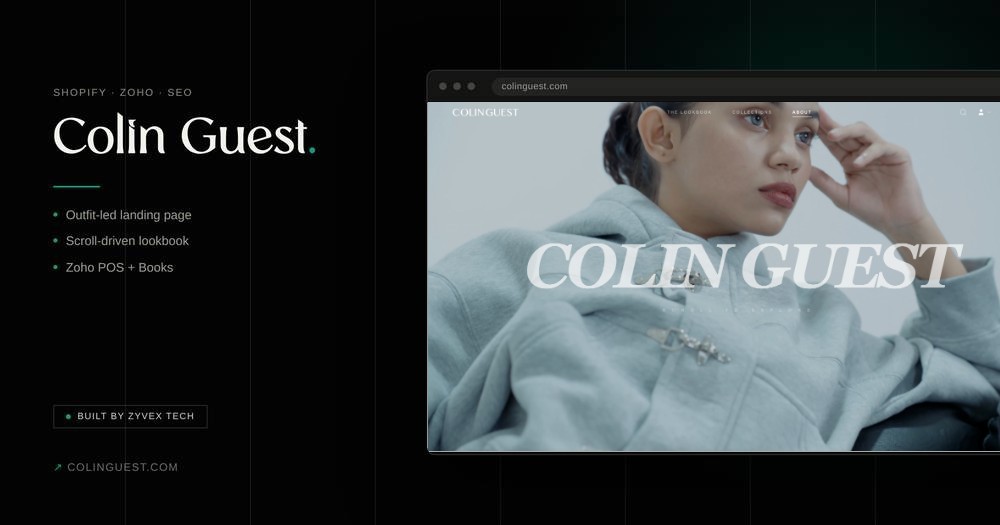
A Shopify build for a fashion brand that sells complete looks, not single items, with a scroll-driven landing section, and inventory and finance running through Zoho.
The brief
Colin Guest needed more than a storefront. Customers buy the whole outfit, so the site had to sell the look rather than a grid of separate products. Behind the counter, stock and SKUs were being tracked in one place and the books in another, which is where the real time was going.
01
We Consulted Before We Built
The engagement started as a consultation, not a build. We mapped how Colin Guest actually sells, looking at what a typical order looks like, how stock moves between retail and online, and where the team was re-keying the same numbers, before choosing a single thing about the store. The platform decision came out of that, not before it.
02
A Landing Page That Sells the Whole Outfit
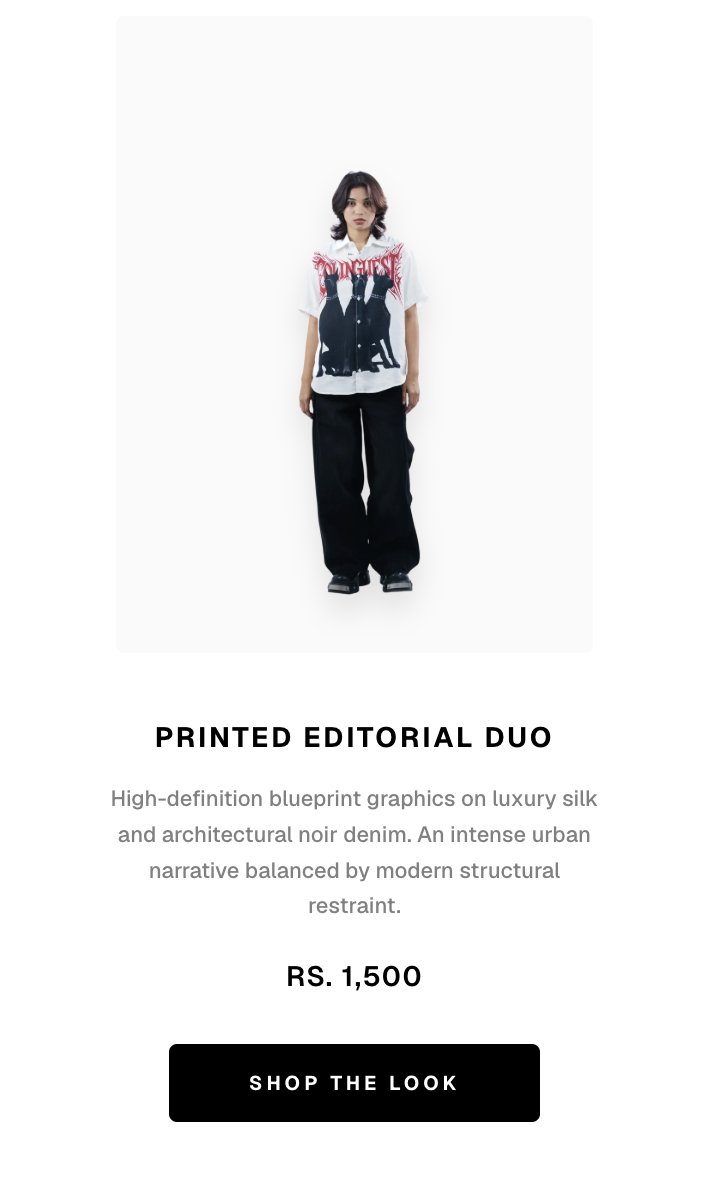
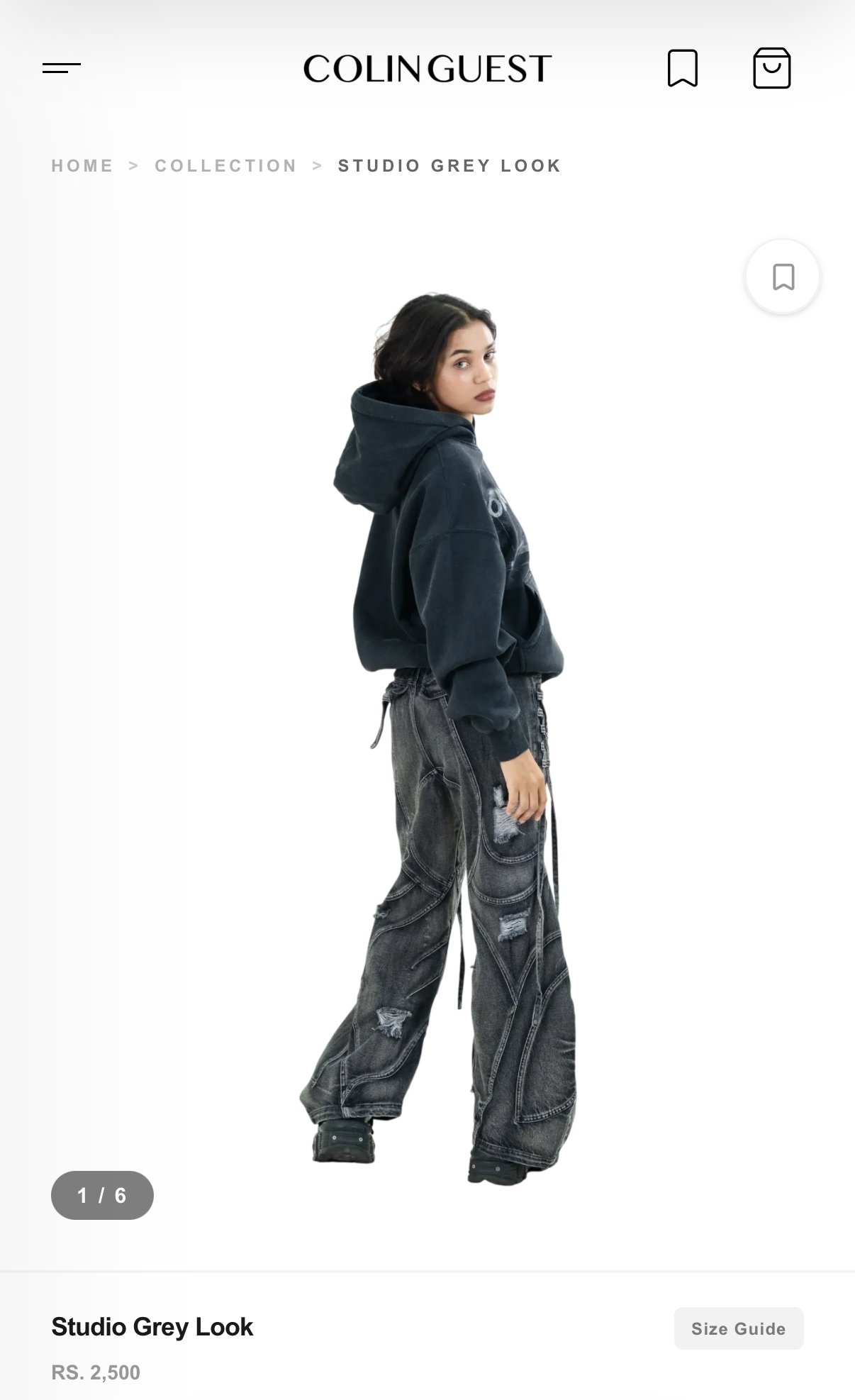
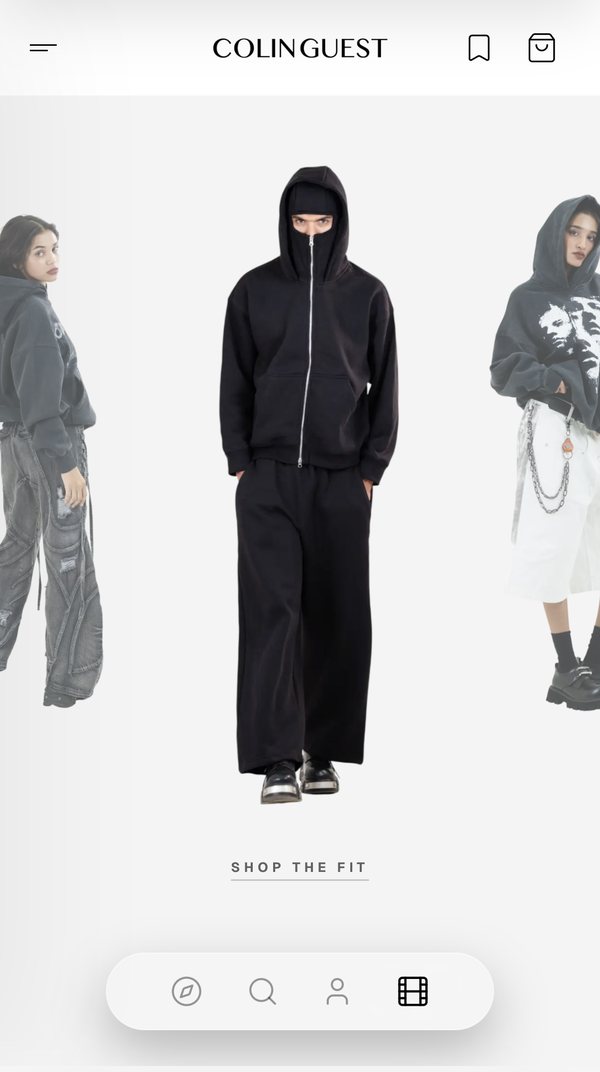
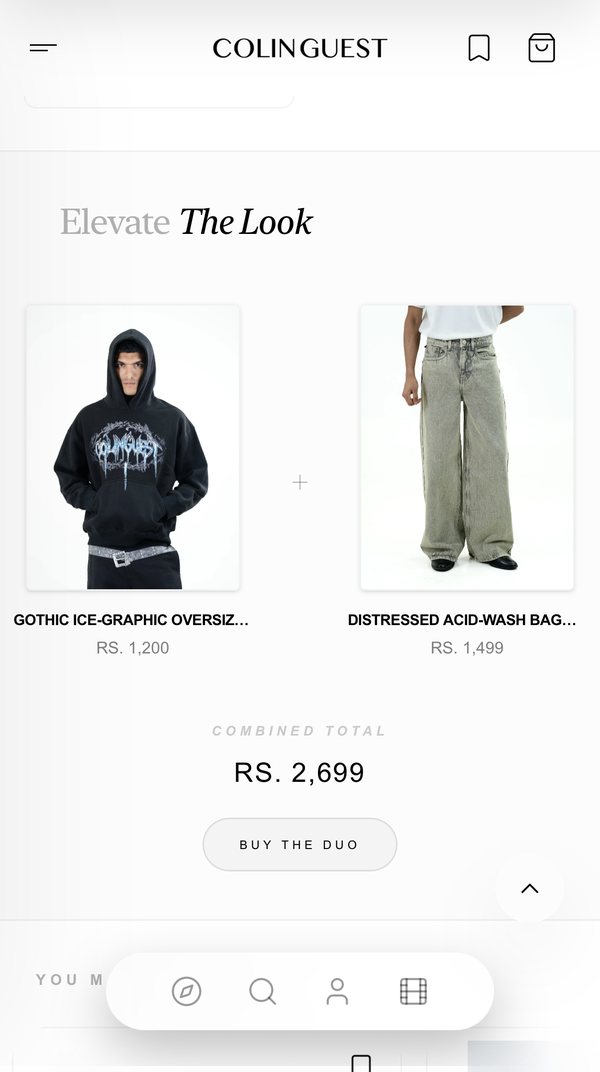
The brief was specific: a landing page where a customer can buy a full outfit, not hunt down four products and hope they match. The page is built around complete looks, with the route from seeing an outfit to having it in the cart kept as short as it can be.
03
Built for the Phone First
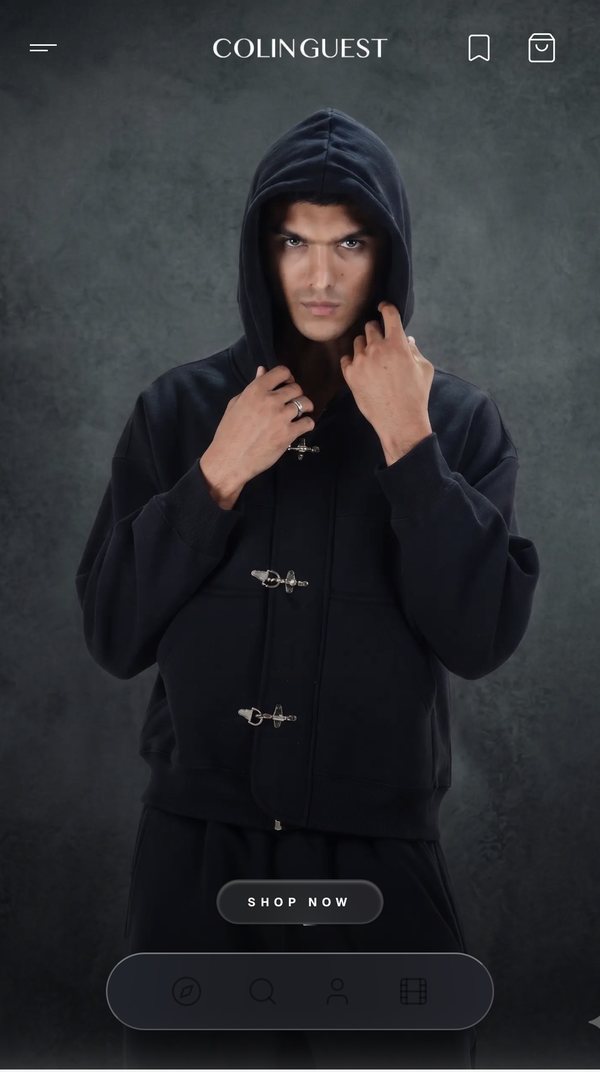
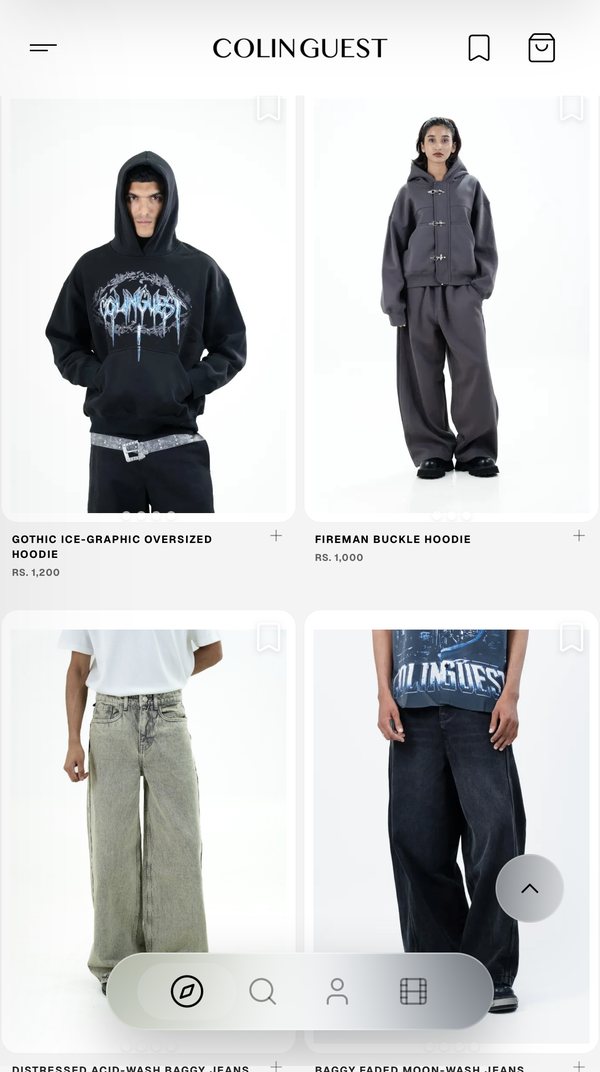
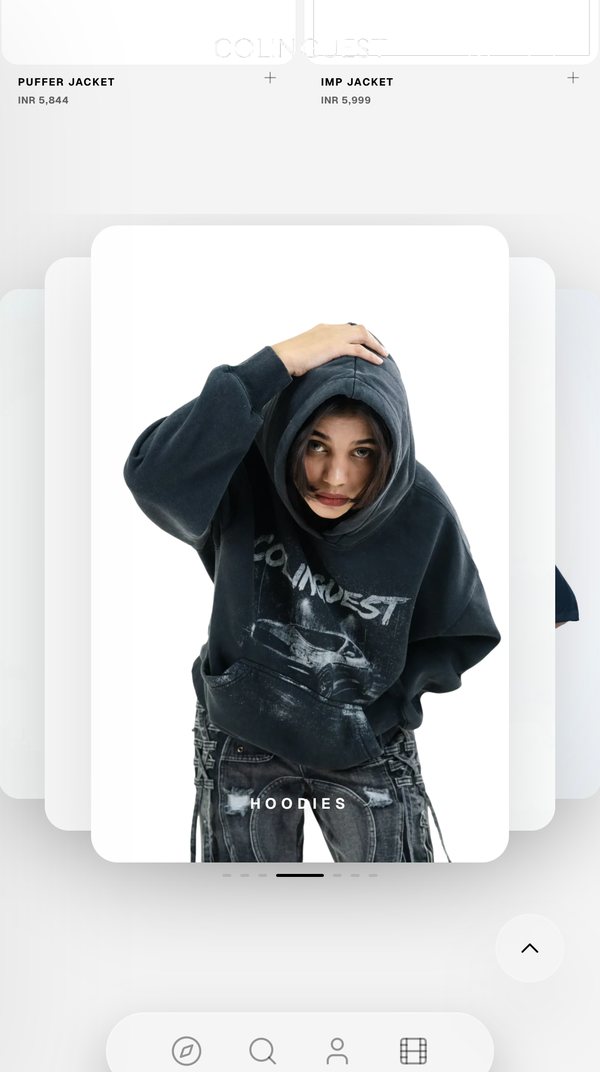
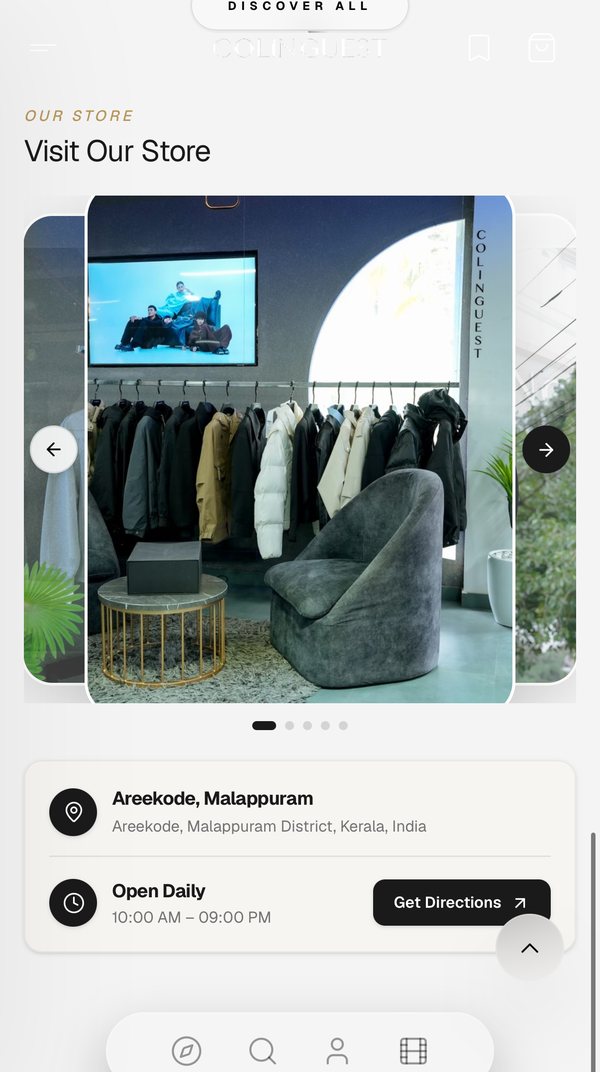
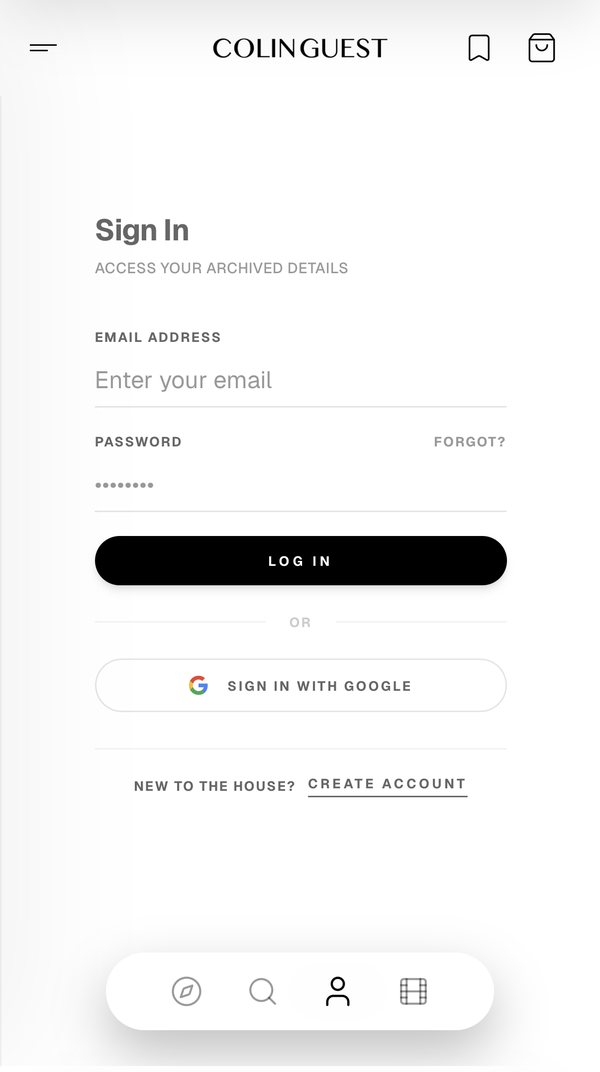
About 95% of Colin Guest’s shoppers browse on their phones, so the store was designed for mobile first rather than squeezed down from desktop. Full-screen editorial heroes, a thumb-reach navigation bar, two-up product grids, “Buy the Duo” outfit bundles, swipeable category cards, store directions and one-tap Google sign-in all work the way they should on a small screen.
04
Shopping That Moves With the Scroll
The first section of the site is scroll-driven. The experience unfolds as the visitor scrolls rather than sitting still and waiting for a click. It makes the opening feel closer to a lookbook than a product listing, which is the right first impression for a brand selling how things go together.
05
Inventory Lives in Zoho POS
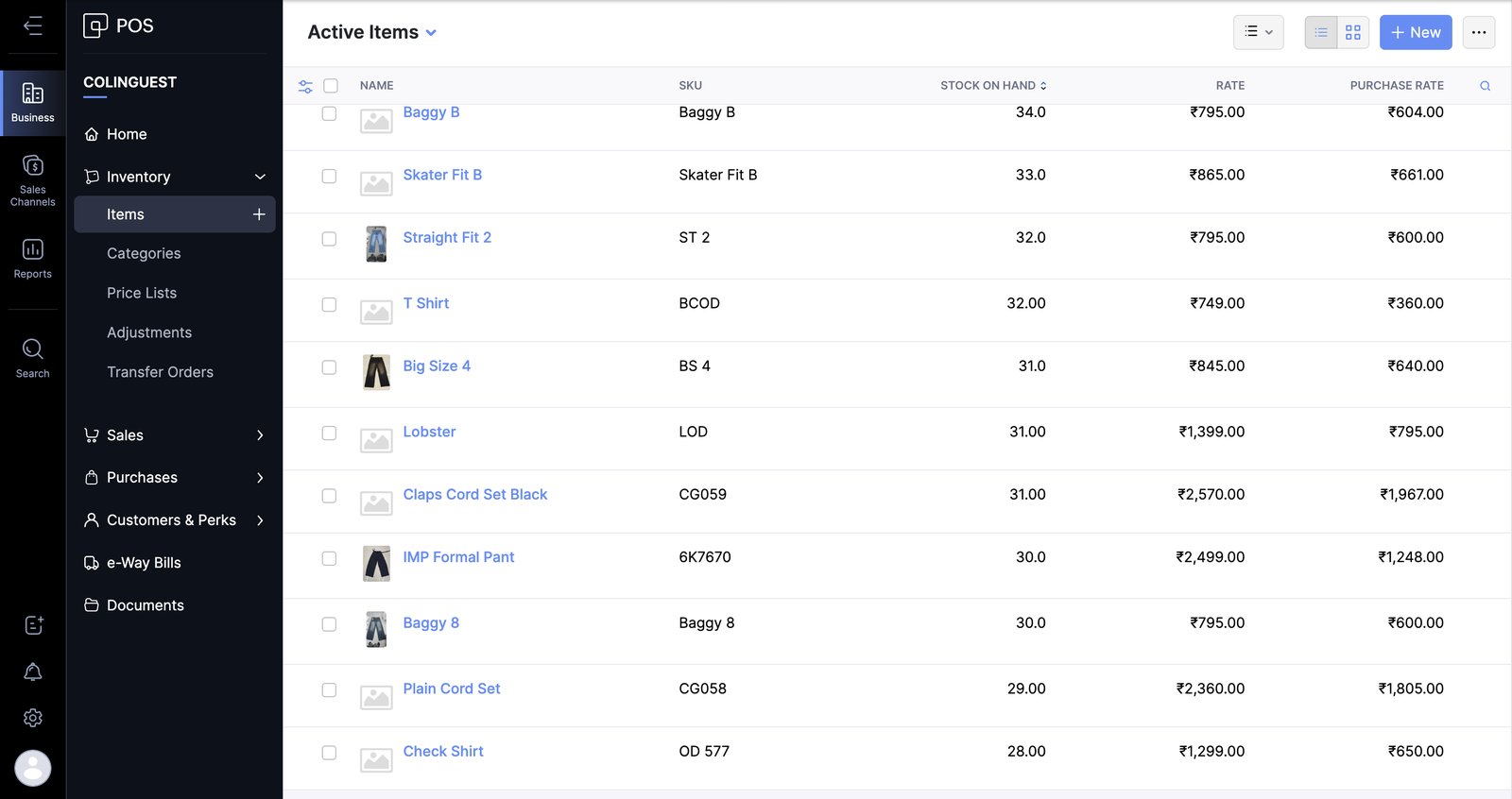
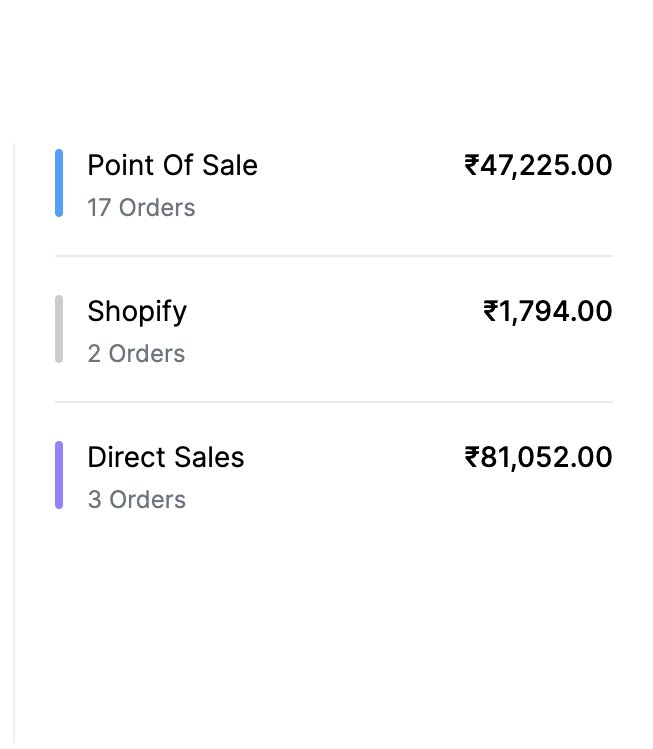
The store is connected to Zoho POS, so inventory and SKUs are held in one system across retail and online. Stock sold in either channel is the same stock, counted once. No separate spreadsheet, no end-of-day reconciliation to work out what is actually left on the shelf.
06
Zoho POS Feeds Zoho Books
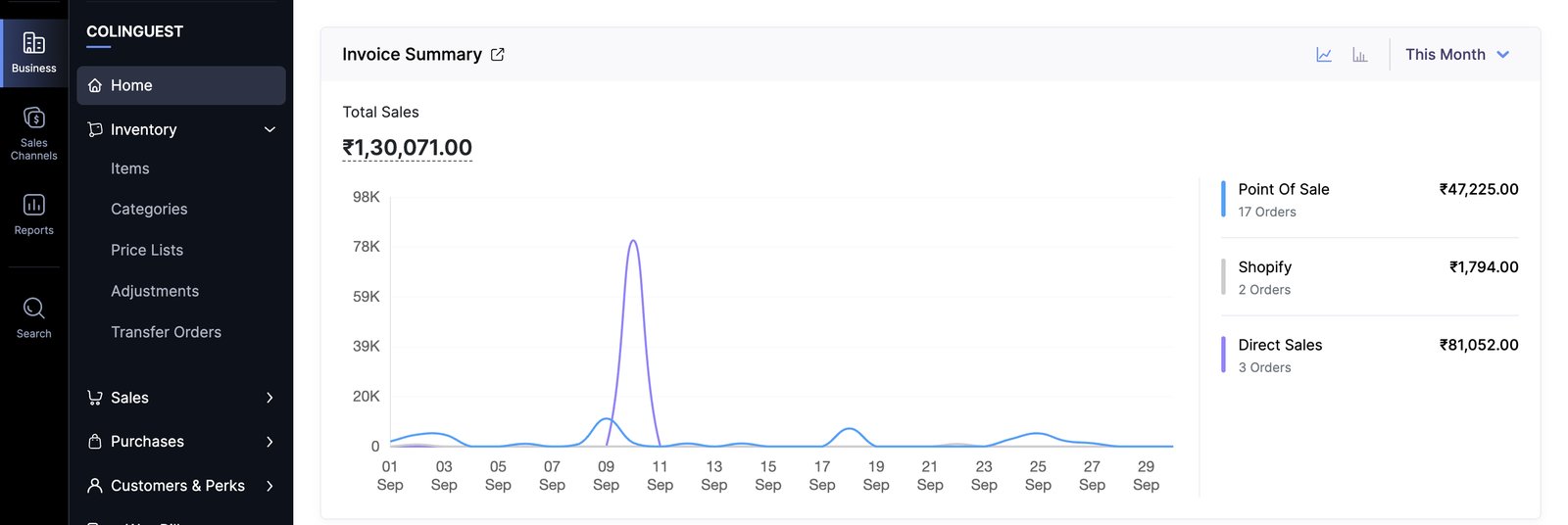
That POS connection runs through to Zoho Books, so sales and stock movement land in the financial records without anyone typing them in twice. The point of wiring the two together is control: the numbers the team makes decisions on are the numbers the store actually produced.
07
SEO Implemented as Part of the Build
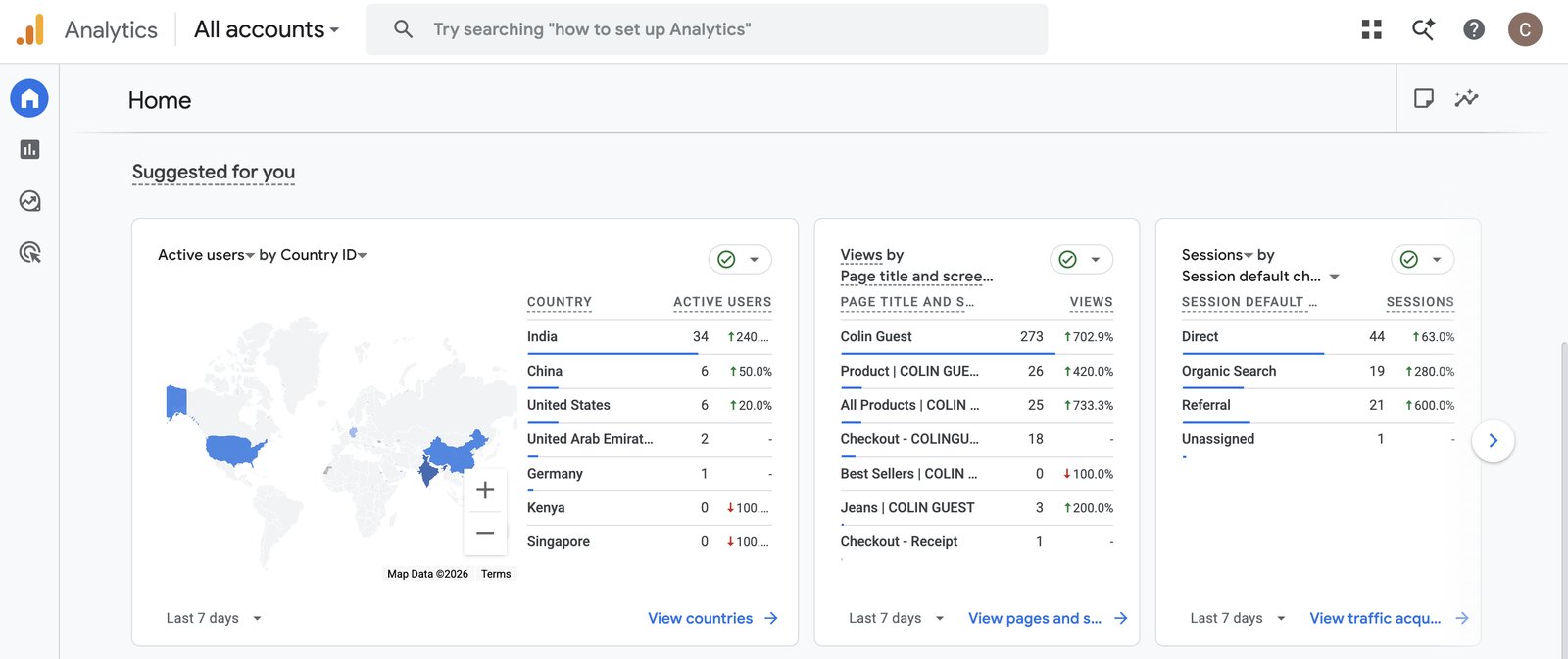
SEO was implemented during the build rather than treated as a later project. Structure, on-page work and technical basics were handled while the site was being put together, when they cost nothing extra to get right.
The outcome
A Shopify store built around how the brand actually sells, with Zoho POS holding inventory and Zoho Books reconciling the money. One system instead of three, and SEO in place from launch rather than bolted on later.
Firoz Pickles.
3x the sales on the same organic traffic
Need the website built first? Shopify development ↗